
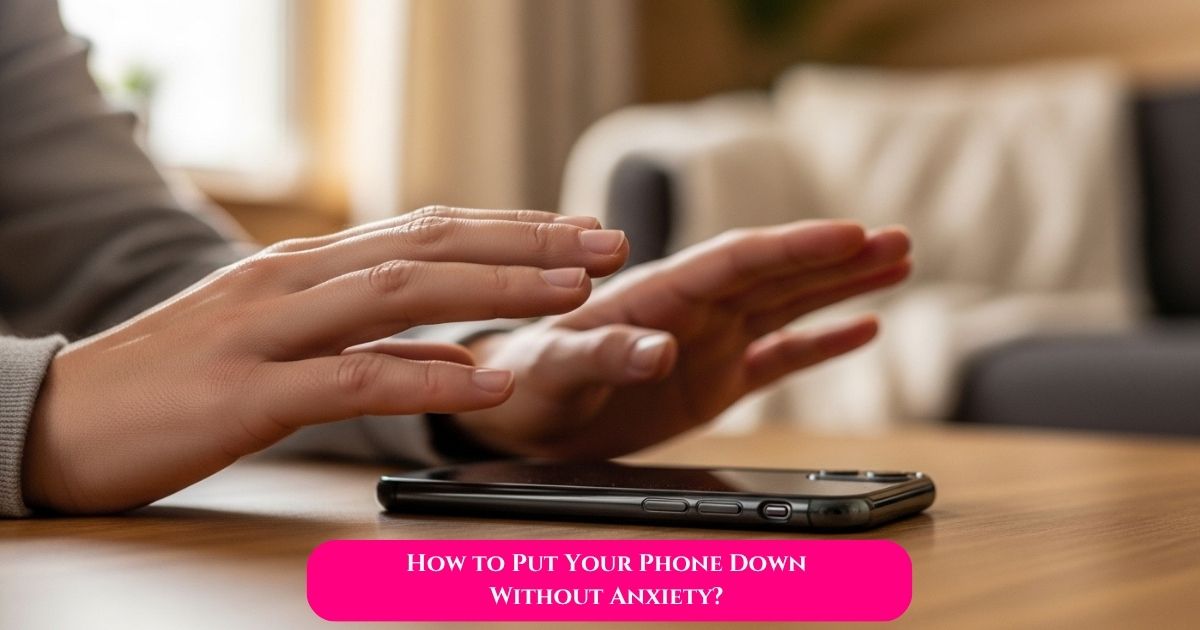
When was the last time you put your phone down without picking it back up in a few minutes? If you don’t remember this, you are controlled by your phone, like many others around you, relying on it 24/7, due to a constant dopamine rush.
Yes, if you feel uneasy without checking notifications, doom-scrolling, or responding to messages, don’t worry, it happens to everyone. But this blog contains solutions for how to have a healthy use of the phone without disappearing from the digital world, overcome phone anxiety, and understand why you are having this anxiety in the first place.
Keep Phone Away for Small Moments
Most people who plan to get rid of phone addiction want it overnight. They force themselves to stay away from the phone for hours, which increases anxiety rather than reduces it.
Don’t make this mistake and start small. Begin with 10-15 minute phone-free periods during your day. Place your phone in another room or put it on silent and turn it face down.
In that time, focus on a simple, relaxing activity you love, like reading, stretching, or cooking. You can continue that for more than the target time if you are enjoying it. If not, just gradually increase these breaks every day or every week.
Turn Off Notifications That Aren’t Important
Every application on your phone is playing with your emotions for its benefit. They design their campaigns in such a way that if you don’t use an application for a day, notifications start popping up saying that they are waiting for you, and you feel forced to open the app.
What you have to do is:
- Only keep notifications for calls and essential messages on.
- Disable alerts from social media, shopping apps, and news apps.
You jump back to your phone again and again because of these constant notifications. You will feel less attracted to your phone and less anxiety putting it down when these notifications stop.
Control Urge to Grab Your Phone
Do you feel a sudden urge to grab your phone, even if it is on charge at a distance or are you in the middle of some important work? Just pause for two minutes before doing it.
Ask yourself first:
- Why am I picking up my phone right now?
- Is there something specific I need to check?
- Is it more important than the work I am doing?
Often, you will realize the impulse was purely automatic. You have nothing specific to do with or check on the phone. When you practice this pause often, it trains your brain to become more intentional with phone use.
Put Phone Away When Not in Use
There are certain situations where you don’t want to feel distracted. Maybe when you are working, studying, spending time with family, or trying to sleep at night.
The physical distance between you and your phone, when you don’t need it, keeps you more focused and present. You can do it by:
- Placing it in a drawer or on a shelf away from your work desk
- Leaving it in another room while studying or doing focused work
- Putting it on charge in a different room before going to sleep
This simple habit reduces the constant temptation to check your phone. You won’t be interrupting your activity just to grab it from this far.
Establish Phone-Free Zones and Times
Designate some areas and specific times when you restrict yourself from using your phone. Consider creating boundaries such as:
- No phones in the bathroom
About 66% of adults use smartphones in toilets, which increases the risk of hemorrhoids. Reducing phone use in the toilet reduces that risk too.
- No phones during meals
About 68% of U.S. households have someone using a phone during meals, which significantly raises fat consumption. Reducing phone use during meals improves mindful eating.
- No phones during conversations
Approximately 89% of Americans admit to using their phones during social gatherings, and it is mentally exhausting. Stop using the phone during conversations to improve connections.
Use Technology to Limit Technology
Ironically, your phone can help you control your phone’s use. Even though there are many apps that force you to use your phone for hours, aimlessly, some are designed to end that loop.
Features like Screen Time, Focus Mode, or Digital Wellbeing allow you to:
- Track how much time you spend on apps, so you can control and restrict that use.
- Set daily usage limits, so you know it is time to stop using the phone when the limit hits.
- Schedule app downtime if you still find yourself stuck with the phone after the limits.
Seeing your usage patterns can be a powerful motivator for change.
Train Your Mind to Be Comfortable with Silence
One of the biggest reasons phones feel addictive is that they fill every moment of silence. You need the dopamine all the time that a smartphone provides you.
Here, you have to train yourself that quiet moments are actually beneficial for mental health. They allow the brain to process thoughts, reduce stress, and restore focus.
Try simple practices like:
- Sitting quietly for five minutes
- Taking a short walk without music or podcasts
- Practicing mindful breathing
Over time, your mind will become more comfortable without constant digital stimulation.
Be Patient with Yourself
Breaking phone addiction in a day is just impossible. You will still check your phone often, and that’s okay. The goal is progress, not elimination in a quick moment.
Every small step, one less scrolls session, one phone-free meal with your family, one peaceful evening without constant notifications, helps retrain your brain.
Eventually, the anxiety about putting your phone down becomes less and then disappears. And when that happens, you regain your attention, your calm, and your presence in the real world.
Why Putting the Phone Down Feels So Hard?
Now that you know how to overcome this anxiety, you must know the reason behind it so you can follow the steps in a better way.
Fear of Missing Out (FOMO)
We worry that something interesting, important, or urgent might happen, and we will miss it if we step away from the phone.
Dopamine Feedback Loops
Every notification, like, or message triggers a small dopamine release in the brain, creating a habit of checking our phones frequently.
Habit and Muscle Memory
Many people reach for their phones automatically when they feel bored, stressed, or even slightly idle.
Social Expectations
Instant communication platforms have created pressure to reply quickly, making it harder to step away.
So, now you can recognize why your brain reaches for your phone automatically, and you can combine that awareness with action to reduce phone anxiety and reclaim your focus.
If You Still Can’t Put Down the Phone Without Anxiety, Let Purposeful Life Coach Help
Even with all the strategies, there are people who still struggle to put their phones down without feeling anxious. If you are one of them, Purposeful Life Coach can guide you in reducing this digital stress and phone addiction. As a certified life coach, I help people:
- Understand and manage the emotional triggers behind habits like phone anxiety.
- Build intentional routines and boundaries that support focus and calm.
- Strengthen self-awareness, confidence, and purposeful living.
With some support, breaking phone dependency becomes more manageable and easier.